
LinkedIn has changed. It is no longer just a digital résumé, a place to announce a new job, or somewhere you visit when you are ready to hire your next employee. For CEOs, founders, executives, and other business leaders, LinkedIn has become one of the most valuable platforms available for building a personal brand.
Your customers are there. Your employees are there. Future employees, potential business partners, journalists, investors, industry peers, and other decision-makers are there too. The opportunity to build influence around your expertise and your company is enormous.
But there is a problem: most executives have no idea what to post.
They create a profile, make a few posts, get 12 likes, disappear for three months, and conclude that LinkedIn "doesn't work." I used to be inconsistent on LinkedIn too.
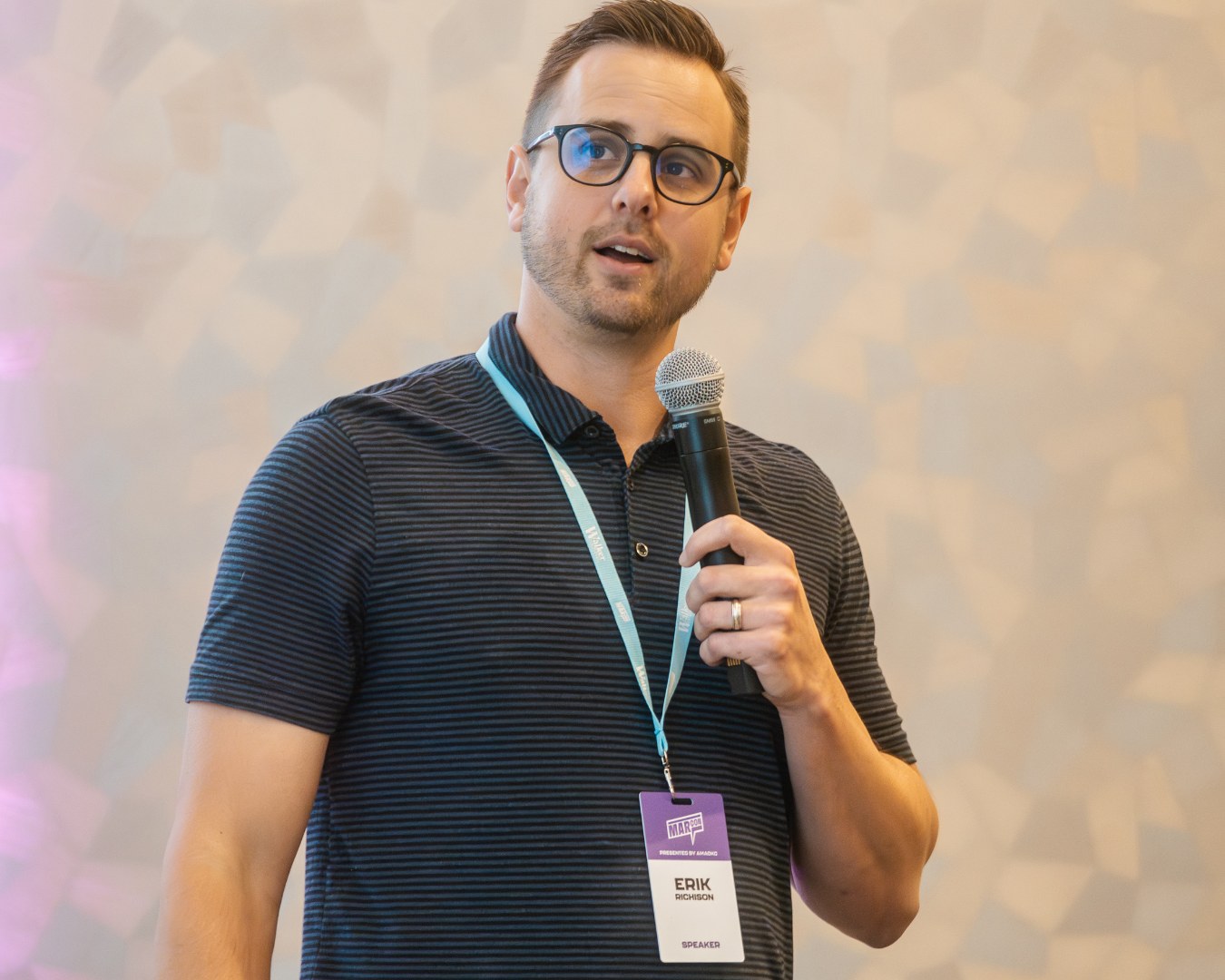
In March 2025, I had 1,131 followers. I was posting zero to one time per week, rarely commenting, and publishing whenever I happened to think of something. By March 2026, I had grown to more than 11,000 followers.
There wasn't one viral post that suddenly changed everything. I simply became intentional about how I used the platform.
I started posting multiple times per week, commenting regularly, actively creating content instead of waiting for inspiration, and intentionally building my network. Most importantly, I stayed consistent.
After spending hundreds of hours writing, posting, commenting, testing ideas, and studying the people who are winning on LinkedIn, I've narrowed LinkedIn growth down to six principles. If you're a CEO or executive who wants to build an audience on LinkedIn, start here.
1. Follow People Smarter Than You
Your LinkedIn feed is partially a reflection of the people you choose to follow, so use that to your advantage. Find the smartest people in your industry, executives who communicate exceptionally well, and creators who understand how to make LinkedIn interesting.
Then study them.
Pay attention to the topics they repeatedly discuss, how they begin their posts, what stories generate conversation, and what opinions make people respond. You are not looking for content to copy. You're building your own personal library of examples and learning what effective communication looks like on the platform.
This becomes especially important for executives because many business leaders haven't spent years studying content creation. They understand their business extremely well, but translating that expertise into interesting social content is an entirely different skill.
Following great writers shortens that learning curve. Your feed can become a free, constantly updating masterclass in communication, personal branding, and storytelling.
Curate it accordingly.
2. Comment on Posts Like Crazy
You do not have to publish a post to get thousands of people to see your name on LinkedIn. You can comment.
This might be the most overlooked LinkedIn growth strategy available to executives. A thoughtful comment on the right post can receive thousands of impressions while putting your name, headshot, job title, and perspective directly underneath someone else's content.
Think of comments as miniature LinkedIn posts.
Don't write "Great post!" or "Totally agree." Add something to the conversation. Tell a quick story, share an opposing perspective, add context from your industry, make a joke, ask a smart question, or expand on the author's original point.
If you are a CEO or executive, you probably have decades of experiences and opinions stored in your head. Use them.
You don't need 30 minutes to write every comment. You need a few minutes to contribute something worth reading. Do that consistently and people will begin recognizing your name before they ever see one of your posts.
That recognition compounds over time. When your own content eventually appears in someone's feed, you're no longer a complete stranger.
3. Make Your Profile a Landing Page
Your LinkedIn profile should not look like a résumé. It should look like a landing page for you.
Someone discovering you through a post or comment is probably going to click your name. Within a few seconds, they should understand who you are, what you do, what company you lead, and why they should care.
Your headshot should actually look like you. Your banner should communicate something about your work or positioning. Your headline should tell people more than "Chief Executive Officer at Company XYZ," and your About section should sound like an actual human being wrote it.
Your Featured section is valuable real estate too.
Use it to point visitors toward your best work, company, newsletter, website, podcast, case study, or another destination that helps them understand what you do.
Think about your profile the same way your marketing team thinks about your company homepage. Every element should have a purpose, and the entire page should guide the visitor toward a clearer understanding of who you are.
For executives who know they need a stronger LinkedIn presence but don't have the time to build the strategy and content engine themselves, Hyper Beam offers LinkedIn ghostwriting and personal branding services designed to turn executive expertise into consistent content.
Your profile is valuable digital real estate. Use it.
4. Connect With People Intentionally
Followers matter, but the right followers matter more.
If you're building a professional audience, don't treat LinkedIn connections like Pokémon cards. You aren't trying to collect all of them. The goal should be to build a network around the people you actually want to know and the industry in which you want to become more influential.
If you're the CEO of a manufacturing company, connect with people throughout manufacturing. If you're building a technology company, connect with founders, developers, investors, customers, and leaders in technology. If you run a regional business, deliberately build a strong network in your city.
Think about who you would want sitting in the room at an industry conference. Those are the people you should be finding on LinkedIn.
When you consistently connect with people in your industry and publish content relevant to those people, something important starts happening. You're no longer accumulating a random follower count. You're building an audience around your expertise.
There is a massive difference.
A smaller audience filled with potential customers, employees, partners, and industry peers can be significantly more valuable than a massive audience that has no connection to what you actually do.
5. Work on Your Hooks
You could write the greatest LinkedIn post in history, but it doesn't matter if nobody reads past the first sentence.
Your hook is the opening line or two of your post. Its job is simple: get someone to stop scrolling long enough to give your idea a chance.
Executives often struggle here because corporate communication trains us to provide context before getting to the interesting part. LinkedIn works in the opposite direction. Start with the interesting part, then provide the context.
Instead of opening a post with something like, "I recently had the opportunity to attend an incredible industry conference where I learned several important lessons," consider beginning with the lesson itself.
Our industry is about to change.
Now I want to know why.
Your hook can create curiosity, introduce conflict, make a surprising statement, share a result, or begin a story. That doesn't mean turning every post into clickbait. The goal isn't to trick someone into reading. The goal is to give your best idea a fighting chance in a feed filled with hundreds of competing ideas.
Spend as much time thinking about your first two lines as you do polishing the rest of the post.
6. Find a Posting Frequency That Works for YOU
Notice that I didn't say you need to post seven days a week.
You don't.
The best posting schedule is the one you can actually maintain. For one executive, that might be twice per week. For another, it might be five times per week.
What doesn't work is posting five times this week, disappearing for six weeks, coming back with a company announcement, and wondering why nobody engages with it.
Choose a realistic cadence and protect it.
If you're starting from zero, try publishing twice per week. Once that becomes comfortable and you have a reliable system for generating ideas, consider adding another post. You can always increase your output as LinkedIn becomes a more established part of your marketing strategy.
The objective isn't maximum volume. It's consistency.
Consistency Is the Real LinkedIn Strategy
If I could reduce everything I've learned about LinkedIn growth into one word, it would be consistency.
Not your headshot. Not LinkedIn Premium. Not finding the mythical perfect time to post. Not a secret algorithm hack.
Consistency.
Find an audience, learn what that audience cares about, publish useful ideas, comment on other people's content, connect with the right people, and continually improve your writing. Then do it again next week.
A CEO who publishes useful ideas twice a week for two years has an enormous advantage over the CEO who waits until every sentence is perfect.
Your first posts might not perform. Post anyway. Your first comments might get ignored. Comment anyway. Your follower count might barely move during the first month.
Keep going.
LinkedIn rewards familiarity, and familiarity takes time to build. Eventually, someone in your industry sees your name and thinks, "I see this person everywhere."
That's when personal branding starts becoming powerful. You're no longer introducing yourself from scratch because your content has been introducing you for months.
Start Building Your LinkedIn Presence
CEOs and executives already have the hardest part of LinkedIn content creation: something worth talking about.
You have stories, opinions, expertise, successes, failures, and lessons learned from hiring people, losing customers, winning customers, building products, making mistakes, leading teams, and making decisions when there wasn't an obvious answer. The challenge is turning those experiences into content and consistently putting that content into the world.
You don't need to become a "LinkedIn influencer." You need to become visible to the people who matter to you and your business.
Follow smart people. Comment relentlessly. Build a profile that represents you well. Connect intentionally. Write better hooks. Find your posting cadence.
Then keep showing up.
Because the person who publishes the perfect LinkedIn post once probably loses to the person who publishes good ideas every week for the next five years.
Consistency wins.